
May 16, 2026
Fast Fixes for Burst Pipes: The Power of Straight Pipe Repair Clamps
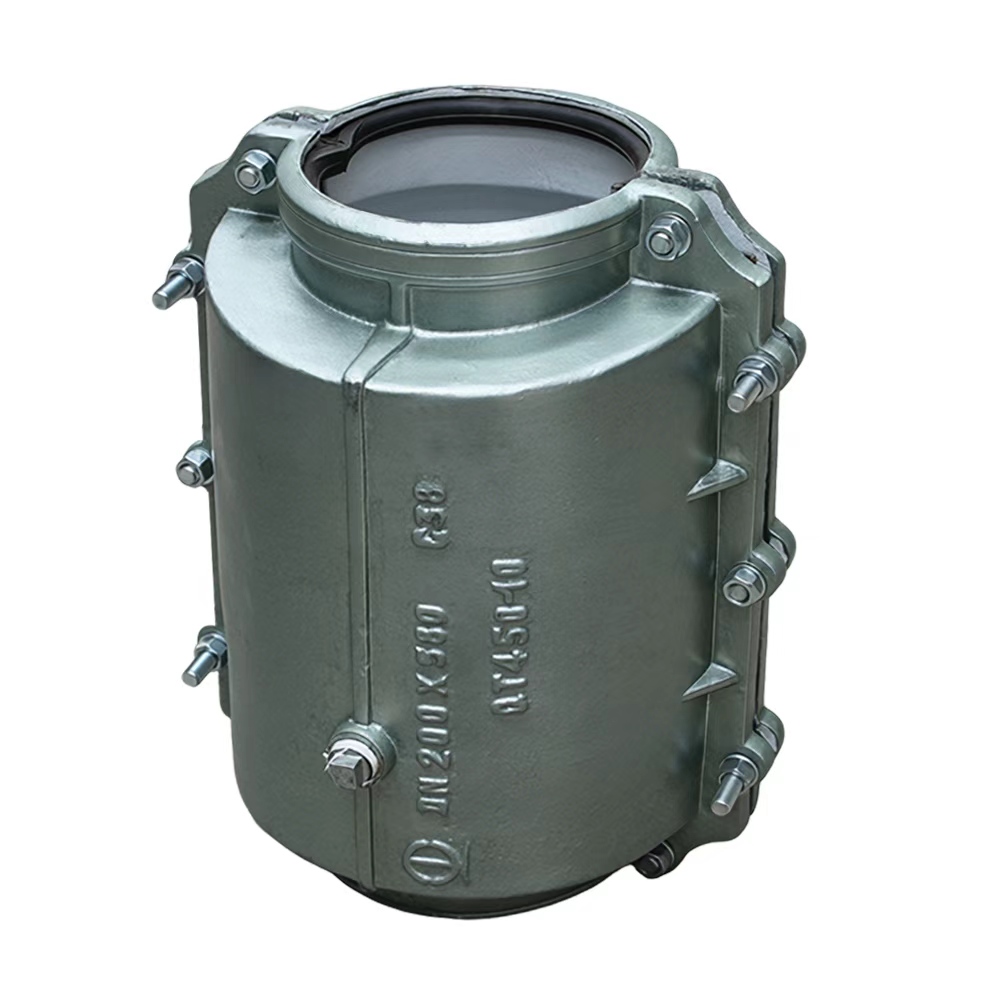
Table of Contents
1. Why Burst Pipe Downtime Hurts Your Bottom Line
2. Straight Pipe Repair Clamps: How They Outperform Traditional Fixes
3. Key Technical Considerations for B2B Buyers (Avoid These Pitfalls)
4. Compliance & Quality Control: Non-Negotiable Standards
FAQ: Straight Pipe Repair Clamps for Industrial Applications
Summary & Next Steps
A burst pipe in an industrial facility isn’t just a leak—it’s a crisis. Last year, a mid-sized chemical plant in Ohio lost $42,000 in downtime alone after a 6-inch steel pipe burst in their cooling system. The kicker? The repair could have been completed in 45 minutes instead of 8 hours if they’d used the right straight pipe repair clamp. Too many B2B buyers still rely on outdated welding or pipe replacement for burst pipes, not realizing the cost and time savings that come with high-quality straight clamps.
1. Why Burst Pipe Downtime Hurts Your Bottom Line
Downtime costs vary by industry, but the numbers are consistent: every hour of unplanned pipe-related downtime costs $2,000–$8,000 for manufacturing plants, according to the 2024 Industrial Maintenance Report by the International Maintenance Institute (IMI). For water and wastewater utilities, that number jumps to $15,000 per hour—thanks to regulatory fines and service disruptions.
Burst pipes are the second leading cause of unplanned industrial downtime (behind electrical failures), per IMI data. Traditional fixes—welding, pipe cutting and replacement—take 4–12 hours on average, even for small-diameter pipes. Straight pipe repair clamps cut that time by 75% or more, a difference that can mean the gap between a minor incident and a major financial hit.
2. Straight Pipe Repair Clamps: How They Outperform Traditional Fixes
Straight pipe repair clamps aren’t just a “quick fix”—they’re a reliable, long-term solution when selected and installed correctly. Unlike welding, which requires certified technicians and hot work permits (a major safety hazard in explosive environments), straight clamps can be installed by a basic maintenance crew with minimal training.
Quantitative Comparison: Straight Clamps vs. Traditional Repair Methods
Repair Method | Average Repair Time | Labor Cost (Per Repair) | Max Working Pressure | Suitable for Hazardous Environments | Longevity (Years) |
Straight Pipe Repair Clamp (Stainless Steel) | 30–60 Minutes | $120–$250 | 300 psi (2100 kpa) [2”-8”] | Yes (No Hot Work) | 8–12 |
Welding Repair | 4–8 Hours | $800–$1,500 | Varies by Technician Skill | No (Hot Work Risk) | 10–15 |
Pipe Cutting & Replacement | 6–12 Hours | $1,200–$2,300 | Matching Original Pipe | No (Cutting Risk) | 15–20 |
The data speaks for itself. While welding and replacement offer longer longevity, the upfront cost and downtime make them impractical for emergency repairs. Straight clamps strike the perfect balance between speed and reliability—critical for B2B operations where every minute counts.
3. Key Technical Considerations for B2B Buyers (Avoid These Pitfalls)
Most B2B buyers make the same mistake when selecting straight pipe repair clamps: they focus on price over performance. This leads to premature failures, which cost far more than the initial savings. Here are the three technical friction points you need to address before purchasing.
3.1 Material Selection: Stainless Steel vs. Carbon Steel
Stainless steel (316L) clamps are non-negotiable for corrosive environments—think chemical plants, wastewater facilities, or coastal areas. Carbon steel clamps are cheaper (by 20–30%) but corrode quickly in moist or chemical-rich settings, leading to clamp failure within 2–3 years. For most industrial applications, 316L stainless steel is worth the investment.
3.2 Seal Integrity: Don’t Overlook the Gasket
The gasket is the heart of any straight pipe repair clamp, yet it’s often the most overlooked component. EPDM gaskets work best for water and mild chemicals, while NBR gaskets are ideal for oil and fuel applications. A low-quality gasket will leak within weeks—look for gaskets that meet ASTM D2000 standards for durability and chemical resistance.
3.3 Size Matching: Too Tight or Too Loose = Failure
Clamps must match the pipe’s outer diameter (OD) exactly. A clamp that’s 1/8” too large will not seal properly, while one that’s too tight can damage the pipe further. Most manufacturers offer clamps for 2”–24” pipes, with full encirclement designs for 2”–12” pipes and split sleeve designs for larger diameters. Always measure the pipe OD before ordering—don’t rely on nominal pipe size.
4. Compliance & Quality Control: Non-Negotiable Standards
For industrial applications, compliance isn’t optional—it’s a legal requirement. Straight pipe repair clamps must meet ASTM F1025-19 (2025), the standard guide for full-encirclement band clamps used in pipe repair. This standard ensures clamps can withstand design pressures and environmental stress without failure.
When vetting suppliers, ask for: 1) ASTM F1025-19 (2025) certification and 2) batch test reports for each shipment. Cheap, non-compliant clamps may save money upfront, but they’ll cost you in fines and downtime if they fail a regulatory inspection.
FAQ: Straight Pipe Repair Clamps for Industrial Applications
Q: Can straight pipe repair clamps be used for permanent repairs? A: Yes—when installed correctly and selected for the application. ASTM F1025-19 (2025) approves full-encirclement straight clamps for permanent repairs of punctures, holes, and burst sections, as long as the pipe maintains structural integrity. For pipes with severe corrosion or structural damage, replacement is still recommended.
Q: What’s the maximum pipe pressure a straight clamp can handle? A: It varies by size and material. Ductile lug with stainless steel band clamps handle 300 psi (2100 kpa) for 2”–8” pipes and 200 psi (1380 kpa) for 10”–12” pipes. All-stainless steel clamps handle 150 psi (1025 kpa) for 2”–12” pipes.
Q: How long does installation take for a typical burst pipe? A: For a 2”–6” pipe, a trained crew can install a straight clamp in 30–45 minutes, including surface preparation and pressure testing. Larger pipes (8”–12”) may take 60–90 minutes.
Summary
Straight pipe repair clamps are the most cost-effective, time-efficient solution for burst pipe emergencies in industrial settings. They outperform traditional welding and replacement in terms of downtime, labor costs, and safety—critical factors for B2B buyers focused on operational efficiency. The key to success lies in selecting the right material, ensuring proper size matching, and choosing compliant, high-quality clamps from reputable suppliers.
Cutting corners on clamp quality will only lead to more downtime and higher costs down the line. Select clamps that meet the applicable ASTM standards and use materials suitable for the operating conditions.